
- August 29, 2025
- Posted by: Josh Knoll
- Category: Orthotics Billing
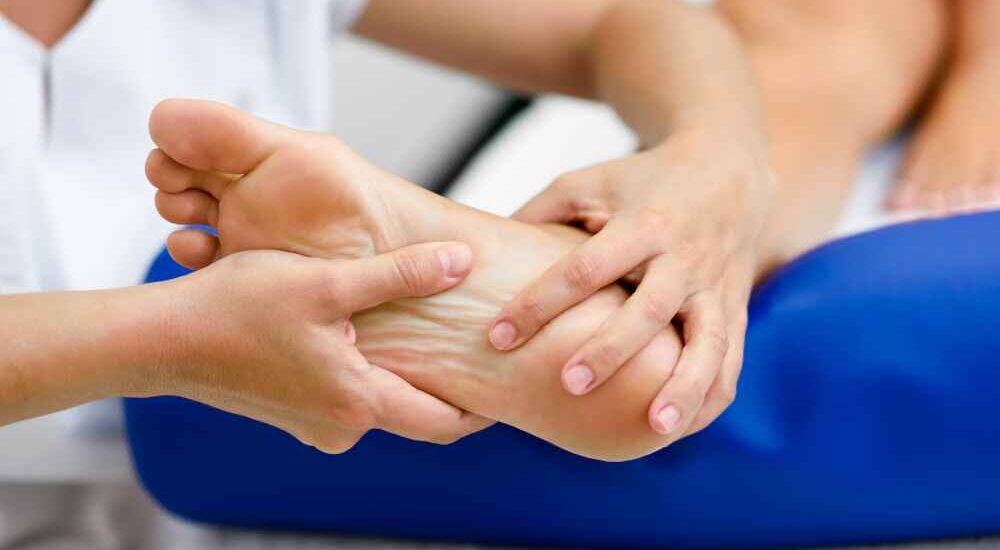
Clear the confusion of Custom-Fitted vs. Off-the-Shelf in orthotics products
If you are someone billing for an orthotic device for the first time, you may struggle a lot. This is because orthotics billing uniqueness lies in the way the billers can combine the medical care and durable medical equipment (DME). However, the strange thing is that the distinct set of complexities which also creates a lot of challenges for orthopedics, and so for billers as well.
What makes orthotics billing different from other medical billing services?
The dual nature of orthotics billing – Initiating and managing orthotics billing is more than an office visit to the orthopedic physicians. It is more about the physical device that is needed for a particular patient, whether it be a custom fit, customized, etc, or of the counter.
HCPCS “L” codes in orthotics billing – This is often a debatable subject for many, as it is the most unique aspect. Orthotic devices are billed primarily using a specific subset of codes from the Healthcare Common Procedure Coding System (HCPCS) called “L” codes. L codes here describe a physical device, its materials, or, for many at times, the method of creation of the orthotic product (e.g., custom-fabricated vs . off-the-shelf). This is different from the CPT codes used for most other medical procedures when billing for other specialties, which describe a service performed by a provider.
DMEPOS Supplier Requirements – Because orthotics are mainly a typical Durable Medical Equipment, Prosthetics, Orthotics, and Supplies (DMEPOS), providers has to meet specific CMS (Centers for Medicare & Medicaid Services) and payer requirements. This is done in order to be recognized as a DMEPOS supplier. It is, in fact, a stringent set of rules than what applies to a standard physician’s office billing operation.
Orthotics modifier: It is no secret that the correct use of modifiers is anyway critical. Specifically for elastic garments, which do not meet the statutory definition of a brace, CG is essential. Often, it is seen that orthotics billing services are more complex than in other specialties. You further need to note modifiers like RT (right) and LT (left) as they are fundamental.
Audits and Denials: Do you know that orthotics claims have a reputation for having higher-than-average denial rates? Yes, and the common reasons are missing or incomplete documentation, incorrect coding, and a lack of proven medical necessity. Managing these denials and appeals, in fact, requires a specialized skill set.
Prior Authorization: Most importantly, the last significant number of orthotic devices, especially more complex or expensive ones, require prior authorization before they are dispensed. The prior authorization process is not only notoriously but also time-consuming and if not handled correctly, can result in a complete denial of payment.
Related Reading: Decoding The Key Challenge Areas to Optimize Orthotics Billing
Other fundamentals you need to know when billing for orthotics products:
Being different from other medical billing processes, a biller needs to remember that due to the high cost of many orthotic devices and their DME status, claims for these orthotic products are subject to intense scrutiny and a higher rate of audits. Thus, when you bill an orthotics product you need to ensure precise documentation.
Furthermore, unlike a simple office visit, every orthotic claim must be backed by exceptionally detailed documentation. And it needs to be justified by the paperwork that ensures “medical necessity.” Also, when you bill an orthotics product with a physician’s prescription, the patient’s medical history, clinical notes explaining the condition, and a clear justification for why a specific, often expensive, device is needed are also necessary.
Understanding the difference between Custom-Fitted vs. Off-the-Shelf in orthotics products:
It is no secret that the billing for an off-the-shelf orthotic is different from one that is “custom-fitted” or “custom-fabricated.” In fact, the documentation must clearly describe the modifications made and justify why a higher-level service was required. However, any failure to do so can and will only lead to denials. This is because it is often seen that payers or clearing houses often deny it, as they assume the lowest-cost option is better unless proven otherwise.
Related Reading: How To Eliminate Your Orthotics Billing Worries
How to tap into successful orthotics billing
With so much confusion and regulations to remember, the main success of an orthotics billing is the billers. Orthotics billing is heavily dependent on the laterality and proper bundling of services. For example, when billing for bilateral items (e.g., a pair of orthotics), it is important for providers like you to bill for each limb separately on the claim form, using the RT and LT modifiers. As failing to do these can only lead to claim denials or underpayment. Additionally, it is essential that when you code for the L-code for a custom-fitted or custom-fabricated orthotic, it typically includes the professional services of fitting and molding the device. You, however, cannot bill for these services separately using CPT codes like 97760 (orthotic management and training) on the same date unless they meet very specific criteria.
Another aspect that one needs to keep in mind is that the insurance coverage for orthotics is often highly specific and varies widely between different payers. Many insurance plans have specific limitations on the different types of orthotic devices they will cover. Also, how frequently they can be replaced, and the specific diagnoses that qualify for coverage, are fundamental aspects that are needed in orthotics billing.
Now that you know that the uniqueness of orthotics billing stems from its specific coding system (HCPCS L-codes), its classification as DME, the high level of documentation – it is important to have the right team that can help you bill correctly. Helping you with the required medical necessity documentation and the complex web of payer-specific rules and modifiers, the billing specialist with a deep understanding of these intricacies will only ensure a healthy revenue cycle for the practice. But where can you get one?
Worry no more, SunKnowledge offers a tailored, customized solution to manage your orthotics billing efficiently. Offering you an orthotics billing solution at only $7 an hour. The team has helped many orthopedic providers save money up to 80 %. Ensuring the highest productivity metrics and first-pass collections from the start, our expert is known for being an outstanding orthotics billing company across the US. So if you are someone struggling with denied orthotics claims, coding errors, or late reimbursements, we are here to help you with all.