
- September 5, 2025
- Posted by: Josh Knoll
- Category: Orthotics Billing
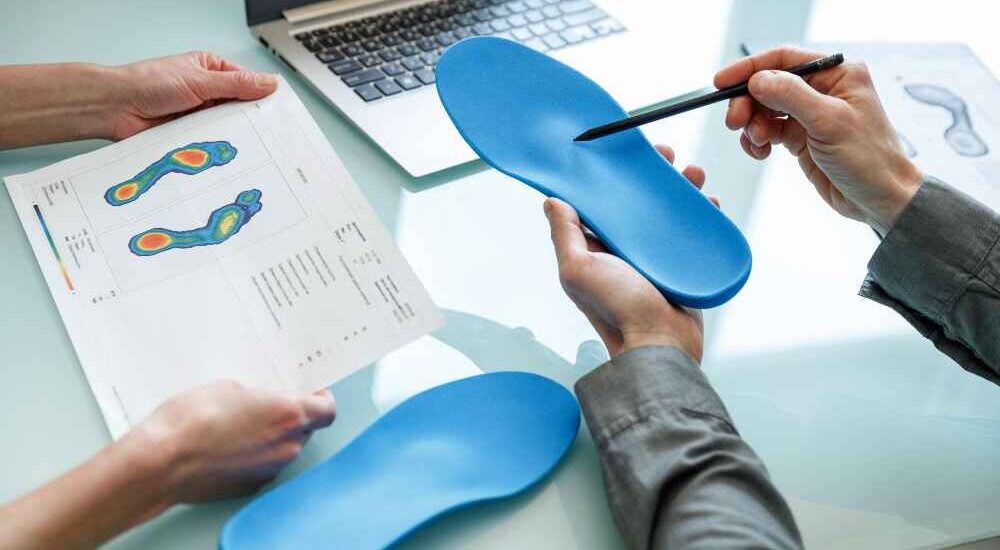
Billing mistakes cost medical practices a huge amount of revenue every year, and orthotics practices are also vulnerable to those billing errors. The Journal of the American Medical Association published a concerning fact that healthcare practices spend almost $200 billion in billing and insurance-related expenses. And the majority of that spending was primarily caused by billing complexities and errors. AMA also found that nearly 12% of claims have inaccurate codes, leading to denials or payment delays. Furthermore, 50% of the denied claims are not even resubmitted, causing permanent revenue damage for medical practices.
Fraudulent billing adds even more burden, costing over $100 billion annually, according to the AMA’s Journal of Ethics, with the FBI estimating it makes up 3% to 10% of total health spending. While most frauds are intentional, unintentional billing mistakes also cause serious financial damage.
The truth is that orthotics billing is also not an exception to the billing mistakes and unintentional activities that can only trigger audits. Thanks to its strict rules, complex codes, and frequent changes from the payer side. A single mistake in the billing process can cause an orthotics practice to face claim denials, broken cash flow and revenue loss.
Let’s understand what orthotics billing is, the common errors, and the negative outcomes of those errors.
Know what orthotics billing is:
Orthotics billing covers claims for devices like braces, supports, and other corrective equipment under durable medical equipment (DME) rules. Each claim needs accurate coding, complete documentation, and payer-specific knowledge. The more nitty-gritty nature with unique coverage requirements, modifiers and proof of medical necessity are the factors that differentiate orthotics billing from a regular physician billing process. A practice can encounter unprecedented claim denials just because of one incorrect or missing detail, thus making it imperative to ensure accuracy in every step.
A practice can only understand its risks better when it clearly knows about the frequent errors in its billing process.
Related Reading: Why Orthotics Billing Is More Complicated Than Other Medical Billing Services
Common orthotics billing errors to know about:
Wrong or outdated codes are one of the biggest reasons for claim denials in orthotics billing because payers require the latest coding updates, and using incorrect codes leads to rejections, delays, and lost revenue while forcing staff to spend extra time on rework. Missing modifiers also create serious problems, as modifiers give important details about the device or service, and without them, payers often reject claims, resulting in longer payment cycles and more administrative costs for the practice.
Another vital error that orthotics practices often face in their billing process is the lack of medical necessity as insurance companies always want clear justification behind administering the proposed device. Practices often face denials and are more likely to face compliance risks because of missing paperwork. A claim can be prevented from processing because of using incorrect patient information, a small typo in the patient or insurance information, causing unwanted delays and hampering cash flow. Orthotics practices also face an increasing number of denied claims for not properly following the rules set by insurance payers, and administrative teams often waste their time trying to appeal or resubmit the claims.
The prior authorization process often poses a critical challenge for orthotics practices as their in-house teams struggle to complete the PA process efficiently. Many practices do not get paid for expensive devices because of missing PA approvals.
Duplicate billing is another mistake that causes compliance red flags, as submitting the same claim twice can look like fraud and attract unwanted payer audits. The majority of insurance payers have strict time limits for submitting claims, and missing those windows means payment loss. No wonder that each of these errors damages the financial foundation of your practice.
Now, let’s focus on the consequences that orthotics practices face due to the billing challenges mentioned above.
The vital consequences of orthotics billing errors:
The financial consequence:
The reality is that the orthotics billing errors always go deeper than claim denials, as they adversely impact their overall revenue cycle. Most orthotics practices cannot even recover the full amount after facing claim denials, thus end up with a weak revenue structure. A practice’s administrative costs increase due to the rejected claims. The reasons are simple, staff members usually spend extra hours on appeals and reimbursements instead of focusing on clinical tasks, raising the overall labor expenditure. Many denied claims are written off, which lowers profitability and limits future growth. On top of that, time wasted fixing mistakes could be used to treat more patients, improve services, or expand the practice, meaning errors reduce efficiency and growth potential.
The elevated compliance risks:
Orthotics billing is a complex domain as it comes with stringent rules set by federal and commercial payers. Any small billing error can lead a practice to face compliance issues. The chances of audits increase with incorrect claims, causing administrative staff members to face added stress and possible penalties for your practice. Repeated mistakes are dangerous as they invite fines, legal trouble, and severe reputational damage. Overbilling and underbilling are also major compliance threats caused by coding errors.
An orthotics practice always faces backlogs that drain staff time and energy when denials pile up. Practices also experience revenue loss because of unresolved claims. The fact is that more denials always result in poor collection, meaning practices can only recover a fraction of the payments they deserve.
Fortunately, practices can still avoid the majority of errors in their billing processes and avoid all the consequences by following the strategies mentioned below.
Tips to prevent orthotics billing errors:
Orthotics practices can handle billing errors by preventing them from the start. Every administrative staff member should be trained on the latest coding updates to reduce overall mistakes. Practices can leverage an advanced billing mechanism to catch errors in every claim before submitting them. The documentation should include details like medical necessity proof and physician notes to ensure clean claims. The backend team should track all the denial reasons to identify patterns and stop the same mistakes from repeating. The majority of orthotics clinics now prefer to outsource their billing process as they lack efficient in-house teams.
Are you searching for a perfect outsourcing partner to handle your end-to-end orthotics billing services? The search ends here as SunKnowledge Inc. has got your back.
Related Reading: Make A Difference To Your Orthotics Billing with SunKnowledge Approach
SunKnowledge: Your reliable orthotics billing company
Our orthotics billing experts help you reduce denials and boost reimbursements with simple, accurate, and streamlined processes. We use advanced technology and a data-driven approach to improve cash flow while covering all orthotics specialties, from foot and ankle surgery to sports medicine and pediatric orthotics. You also get a dedicated account manager and buffer resources to make everything seamless with our RCM solution. We are the only RCM Company that works with both payers and providers, giving us unmatched expertise. Best of all, you can start our RCM services at just $7/hour. Don’t settle for less—partner with us and take your practice to the next level!