
- November 14, 2025
- Posted by: Josh Knoll
- Category: Uncategorized
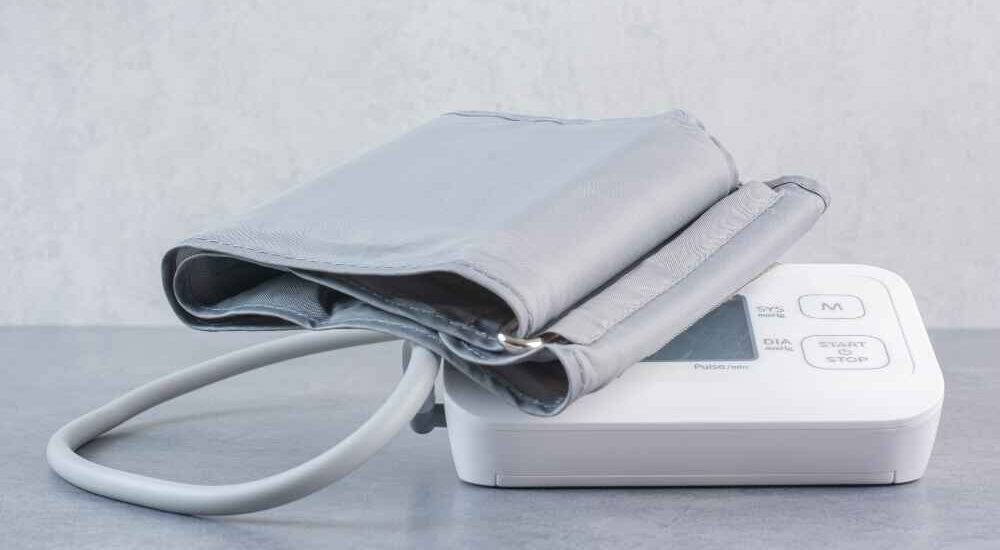
Durable Medical Equipment (DME) suppliers offer effective devices to help patients restore natural functionalities. Their domain comprises a wide range of medical devices. DME suppliers ensure the prescribed devices are effective and medically necessary. The challenge they face is related to DME billing and reimbursement.
Complex billing regulations, coding, payer policies, and documentation make the process even tougher. Anyone who has worked with DME long enough knows this: every time you finally adjust to one round of Medicare rules, CMS is already drafting the next. And 2026, judging from what CMS has already floated, looks like one of those years where suppliers and clinicians will have to pay closer attention than usual.
Overview of the 2026 DMEPOS Proposed Rule
This latest DMEPOS Competitive Bidding Program is expected to be relaunched by the Department of Health and Human Services (HHS). It is anticipated that contract awards and implementation will occur in 2026. However, it mainly depends on rule finalization and system readiness. This update will bring multiple rule changes, and the healthcare landscape will see several shifts.
In addition to that, DMEPOS isn’t a niche corner of healthcare. Patients depend on durable medical equipment and supplies every day. These devices efficiently manage COPD, diabetes, mobility disorders, bowel/bladder conditions, etc. When Medicare adjusts coverage or reimbursement, it reaches right into the supplier’s warehouse and the billing team’s queue. That’s why 2026 matters.
Related Reading: How DME Billing Outsourcing revolutionizes Revenue Growth
Why 2026 Can’t Be Treated as “Just another Rule Cycle”
CMS framed this year’s set of DMEPOS proposals around three repeating themes: cost efficiency, quality, and integrity. Those words sound generic, but the policy trail shows us the comprehensive picture. Medicare spending on DME has climbed while audits show consistent documentation failures. On top of that, several product categories expanded faster than CMS expected. So healthcare regulators are tightening their grip on how equipment gets priced, delivered, and approved.
Also, some rules that sat dormant are coming back in the upcoming year. At the same time, CMS has released some brand new regulations. And a few among them create ripple effects that suppliers haven’t dealt with before. If you work in DME billing or referral coordination, this combination is going to change your day-to-day processes.
The “New Old” News: Competitive Bidding Is Back
The biggest headline, at least for DME suppliers, is the return of competitive bidding in 2026. The program has been sitting in a long “gap period,” which created unusual pricing inconsistencies across the country. CMS wants to bring structure back, which means respiratory products, hospital beds, and enteral nutrition (and likely several mobility items) will fall under new bidding rounds.
What does that really mean?
- Margins tighten
- Competition spikes
- Equipment availability in certain regions may shift
Clinicians may notice suppliers reshuffling product lines or renegotiating with manufacturers. At the same time, DME billing teams will need to watch reimbursement amounts closely. It is because new single payment accounts (SPAs) can make old financial assumptions useless within a single quarter.
A New Twist in DME Billing: Remote Item Delivery (RID)
One of the most talked-about additions in the 2026 proposal is Remote Item Delivery (RID). CMS finally acknowledged that suppliers ship a lot more equipment today than they did a decade ago. RID creates a formal bidding category for items that never require in-person delivery.
If you run a large or multi-state DME operation, this new regulation may help you. Your existing logistics infrastructure gives you an advantage when CMS evaluates bids. Smaller DME suppliers, on the other hand, will need to think about whether they can support the documentation, tracking, and delivery confirmation requirements CMS expects under RID. This is one of those changes that looks small on paper but becomes a daily operational issue very quickly.
More Medical Items Enter the Bidding Universe
Another significant shift involves the expansion of equipment categories eligible for bidding. This adds further complexities that may exhaust many DME billing services. Moreover, CMS wants to move Continuous Glucose Monitors (CGMs), insulin pumps, urological supplies, ostomy supplies, and possibly additional consumables into future competitive bidding cycles.
These categories grew quickly, especially CGMs. CMS wants more pricing control before costs spike any further. Once these items land in competitive bidding, DMEPOS are expected to face reduced reimbursement and tighter profit margins. Moreover, they may possibly encounter new patient access issues if local suppliers decide certain categories no longer make financial sense.
New Payment Methodology for Lead Items in DME Billing
The way CMS calculates Single Payment Amounts (SPAs) using lead items is also changing. The old method produced irregular results depending on the competitive bidding areas (CBAs). In 2026, CMS wants a more consistent and transparent calculation.
This update may sound minor, but SPAs affect every supplier’s revenue collection. With the new approach, reimbursement becomes more predictable. However, it will be only applicable for suppliers who understand their true cost structure. Those who rely on outdated overhead models or slow inventory processes may struggle.
Accreditation Every Year Instead of Every Three
One of the more disruptive proposals is the move from a three-year accreditation cycle to annual reaccreditation. If you’ve been through accreditation before, you already know it’s not a quick paperwork refresh. Rather, it’s a full review of policies, procedures, facility conditions, logs, training, recordkeeping, and patient files.
DME suppliers must operate in a constant state of readiness to ensure optimum accuracy year after year. There’s no more waiting until year 2.5 to tune up compliance. And accrediting DME supply organizations themselves will operate under more oversight.
A Reward for Doing Documentation Right: Prior Auth Exemption
A more positive update (at least for suppliers who run tight documentation systems) involves a prior authorization exemption. If a supplier keeps a ≥90% approval rate, CMS will exempt them from prior authorization for specific items. It means they can offer swift delivery of the selected items to ensure fast recovery.
High-performing DME suppliers can secure faster turnaround times and fewer administrative burdens through this exemption. However, the preauthorization exemption isn’t permanent, and it will depend on the supplier’s future performance. If their approval rates slip, the exemption disappears. That alone should motivate DME billing services to maintain detailed documentation. That should include medical necessity notes, proof-of-delivery details, and ongoing compliance logs.
Reimbursement Shifts: CPI-U Adjustments and Regional Variation
The DME consumer price index for all urban consumers, commonly known as CPI-U, adjustments for 2026 will not hit every region the same way. Former CBAs, rural areas, and non-bid territories receive different rate calculations. DME billing and revenue cycle leaders need to map out these regional variances before the year begins. It shows that cash flow projections for 2026 could swing dramatically depending on the location of DME suppliers.
Integrity and Quality: A Tougher CMS Stance
CMS also plans to expand program integrity measures. They plan to conduct more audits, more documentation checks, and tighter enrollment rules. DME suppliers will need better internal audits and more consistent charting practices to ensure claim accuracy. Furthermore, they should maintain seamless communication with referring providers. It directs DME suppliers to submit more precise documents, especially to validate medical necessity and compliance follow-up.
What DME Suppliers Should Do Now
Here’s what DME suppliers and referring clinics should prioritize:
- Run financial scenarios for competitive bidding.
- Upgrade logistics and tracking for remote delivery.
- Strengthen documentation templates and internal audits.
- Prepare for annual accreditation by building year-round readiness.
- Train teams on CMS’s 2026 expectations and update compliance manuals.
2026 will reward organizations that prepare early and not the ones who scramble once the final rule drops. However, these new and modernized rules will significantly enhance DME billing complexities. Large-scale DME suppliers have the budget to employ a dedicated staff to look after these new billing intricacies.
However, small or mid-scale DME suppliers may face financial struggles to assign an internal staff member to this matter only. They should consider DME billing outsourcing to experts like SunKnowledge. Here is how outsourcing can benefit them.
Related Reading: DME Billing Tips: How to Stay Compliant with CPAP and BiPAP Billing Rules
How SunKnowledge Helps DME Suppliers Prepare for 2026
When you’re up against the 2026 changes in DME billing, having the right partner can make all the difference. We at SunKnowledge Inc. bring real-world experience and deep expertise to ensure optimum perfection. Our professional assistance, as a reputable DME billing company, will help suppliers seamlessly adopt the upcoming rules with confidence.
- We efficiently deal with DME rentals, HCPCS codes, equipment delivery, verification, and documentation nuances.
- Our team specializes in DME billing services. We will eliminate errors and reduce claim denials.
- We will help DME suppliers model financial scenarios, track reimbursement changes, and align operations early.
- Our expertise in claims submission, denial management, and AR recovery makes the transition smoother.
- We focus on error-free patient entry, doctor’s office follow-up, proof of delivery reports, and HIPAA-compliant processes.
- We ensure scalability and logistics readiness for remote delivery (RID) and multi-state operations.
- Above all, our most affordable pricing, which is only $7/hour will help DME suppliers reduce up to 80% of their operational costs.
SunKnowledge acts like a support crew for DME suppliers. Hence, if you are already puzzled thinking about how to maintain billing accuracy, partner with us, fill out the form hovering on your screen. We will connect with customized billing solutions. We will handle the heavy lifting while you can stay focused on patient care and growth.