
- April 11, 2025
- Posted by: Josh Knoll
- Category: Prior Authorization
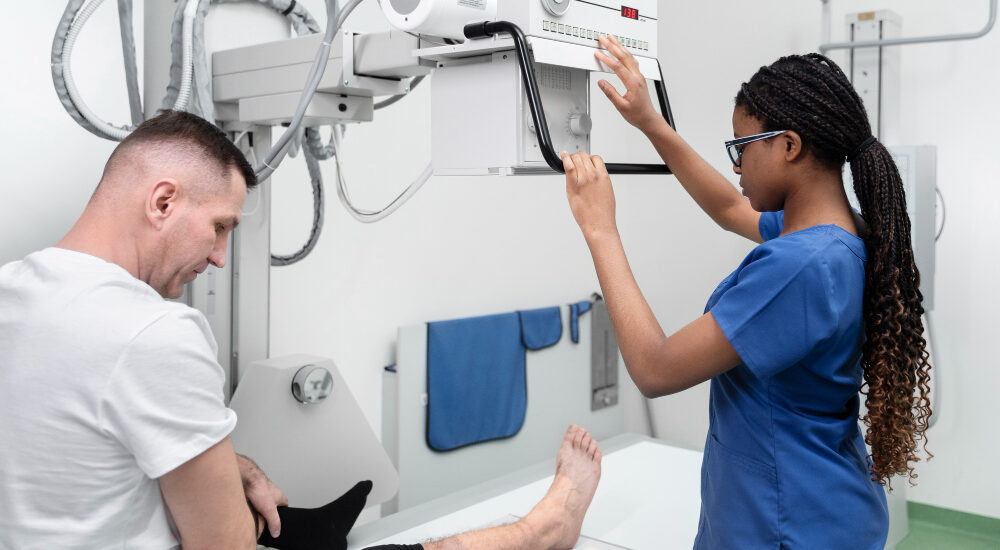
Imaging centers or radiology clinics offer a diverse range of medical imaging services to diagnose and treat various health conditions. Their services include X-rays, CT scans, MRIs, ultrasounds, mammography, angiography, fluoroscopy, etc. The primary responsibility of radiologists is to focus on patient care, which is often hindered due to billing intricacies.
On top of that prior authorization (PA) requirements make it even more challenging. According to the latest KFF report published in January 2025, Medicare Advantage insurers rejected 3.2 million prior authorization requests in 2023 that includes imaging centers as well. It significantly affects their financial health. Hence, prior authorization companies for imaging services must ensure flawless billing practices to maintain a steady cash flow.
Understanding the Prior Authorization Process
Prior authorization for imaging centers is a necessary evil in the US healthcare landscape. It helps manage costs and optimize patient care. Imaging centers must secure approval from payers before rendering imaging tests. However, securing a prior authorization is a cumbersome process. Billing staff of imaging clinics must thoroughly justify the medical necessities for the prescribed diagnostic imaging. Hence, they must apply accurate medical codes and submit all-inclusive documents to validate the purpose of imaging tests.
Insurance companies thoroughly examine all documents aligned with medical codes to approve imaging tests. A nominal coding error or incomplete documentation will immediately lead to prior authorization denials. It usually results in delayed treatment affecting patient outcomes. The common reasons for PA denials are –
- Incomplete or insufficient documentation
- Missing or incomplete patient information
- Lack of medical necessity
- Errors in Billing Codes
- Failure to meet insurance requirements
Hence, imaging centers must pay extra care while applying for pre-approvals. They must submit prior authorization requests once physicians prescribe diagnostic imaging. So the center can conduct tests at the earliest and physicians can start their treatment based on the test results. Therefore, the billing staff must be expert and highly professional to ensure pace and accuracy in prior authorization requests. It significantly improves patient care by reducing wait times. It also boosts operational efficiency for imaging centers. Faster approvals mean less stress for administrative workers.
How Imaging Centers’ Prior Authorization Services Ensure Faster Approval?
1) Leverage Technology for Efficiency
Technology offers a big win for speeding up prior authorizations. Electronic Prior Authorization (ePA) systems let centers submit requests online. This cuts down on paperwork and speeds up responses. The CMS Interoperability and Prior Authorization Final Rule further emphasizes electronic prior authorization use to ensure transparency and seamless data exchange. It aims to reduce administrative burdens as well as facilitate better communication and access to necessary medical services.
Integrating electronic prior authorization with Electronic Health Records (EHR) makes things even smoother. Staff can pull patient data quickly. Tools like CoverMyMeds, Availity, or center-specific software offer effective assistance. These platforms connect directly with insurers. They provide real-time updates and reduce errors.
2) Train Staff for Success
Well-trained staff are the backbone of a fast prior authorization process. Billing and administrative teams need to know insurer requirements inside out. Regular training sessions keep everyone sharp and up-to-date. It not only keeps them aligned with common insurance policies but also helps them stay compliant with healthcare regulations.
Educated staffs make fewer mistakes. Fewer errors mean fewer follow-up delays. The AMA’s 2024 surveys show 94% of physicians say prior authorization delays have a negative impact on patient outcomes. In this scenario, training on pre-approval process helps imaging centers avoid this pitfall. It empowers teams to act fast and confidently to speed up the prior authorization process.
3) Build Strong Relationships with Payers
Healthy relationships and seamless communication with insurance companies can speed things up. Centers should understand each payer’s specific policies. For instance, some insurers have unique forms or timelines for imaging pre-approvals. Moreover, payers frequently change their prior authorization policies. Hence, staffs of imaging centers must stay updated to ensure maximum compliance.
Furthermore, billing staff may cross-check with payers before submitting complex requests. It will help them recognize potential roadblocks. This proactive approach can notably expedite approvals.
4) Optimize Documentation, Coding, and Submission
Complete and accurate documentation is non-negotiable. Centers must submit medical necessity details, patient history, and imaging-specific codes upfront. For example, using the right CPT codes ensures clarity. Standardized forms make submissions uniform and easy to review.
Moreover, insurers often deny incomplete prior authorization requests. Hence, staffs must double-check documents and codes before submission. It will ensure accuracy and prevent rejections. Centers that get this right see faster approvals. It’s a simple but effective strategy to secure prior authorization faster.
5) Monitor and Track PA Performance
The imaging center’s staffs should closely monitor every prior authorization request’s status. Regular tracking will help them identify bottlenecks, like slow payers or frequent denials. Data analytics will empower them to assess approval times and refine processes. For example, centers can create dashboards for real-time updates on pending authorizations.
With this result-driven approach, centers can spot trends and adjust strategies. It’s a smart and efficient way to stay ahead of delays. Streamlined prior authorization ensures the imaging center’s flawless revenue cycle management.
6) Educate Patients to Reduce Delays
Educating patients can also speed up the prior authorization process. Imaging Center’s prior authorization solutions must ask patients to provide comprehensive information like their medical history, insurance details, etc. When all critical data comes in handy, centers can submit them to payers and secure faster prior authorization. In addition, it eradicates any chances of prior authorization denials.
Furthermore, when patients thoroughly understand the process, they’re more likely to cooperate. It’s a team effort that benefits everyone, centers, patients and payers. Centers that communicate well with patients see smoother operations.
Hence, speeding up the prior authorization process is achievable. Technology like electornic prior authorization and EHR integration leads the way. Trained staff, strong payer relationships, and optimized documentation matter too. Tracking performance and educating patients round out the strategy of securing faster PA.
How SunKnowledge, an Imaging Centers Prior Authorization Company, Ensures Faster PA
Prior authorization is of utmost importance to ensure seamless reimbursement right on time. However, it is an intricate process that demands top-notch expertise. Here, the imaging center’s prior authorization company – SunKnowledge’s 15+ years of experience comes into action. We submit a prior authorization request on the same day the patient first visits the imaging center for tests. Our swift and accurate service helps centers secure faster pre-approval from payers.
Moreover, when radiologists outsource prior authorization for imaging centers, they not only include expertise in their arsenal but also save about 80% of operational costs. As a result, they can enhance their cash flow, improving the financial health of the center. Our expertise eases staff workloads and boosts the bottom line. Hence, diagnostic imaging centers can further enhance their services to improve overall patient outcomes.